

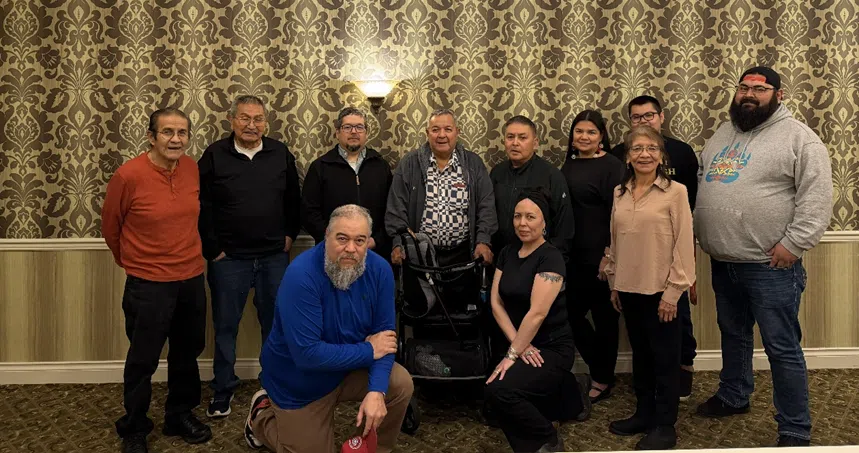
The Gitxaała Nation is welcoming a landmark BC Court of Appeal decision that confirms the province’s Declaration on the Rights of Indigenous Peoples Act (DRIPA) creates legally enforceable obligations. The ruling overturns a previous BC Supreme Court finding that DRIPA was not “justiciable,” and affirms that First Nations can legally challenge the Province when its laws or actions conflict with the United Nations Declaration on the Rights of Indigenous Peoples (UNDRIP).
The court also found BC’s current mineral tenure system — which allows online mineral staking without notifying or consulting First Nations — to be inconsistent with Article 32 of UNDRIP.
Gitxaała Chief Councillor Linda Innis says the decision validates what the Nation has said for years. “Justice is finally catching up to the truth with the BC Court of Appeal decision,” she said, calling the ruling a victory not only for Gitxaała but for all Nations affected by the outdated mineral tenure regime.
Innis says it is now time for the Province to work government-to-government with Gitxaała to redesign the Mineral Tenure Act and build a system grounded in free, prior and informed consent. She added, “We’re here, we’re not going anywhere. We’re title holders, and we’re ready to be part of the solution.”
The Nation says true certainty for industry will come from modern laws that recognize Indigenous rights and uphold shared decision-making, not from the century-old “free entry” system.
Gitxaała leaders also note that the ruling affirms the Nation’s own legal traditions their Adaawx, Ayaawx and Gugwilx’ya’ansk and reinforces their authority to protect their lands, waters, and people.
Listen to CFNR’s full interview with Chief Innes below.







Comments