

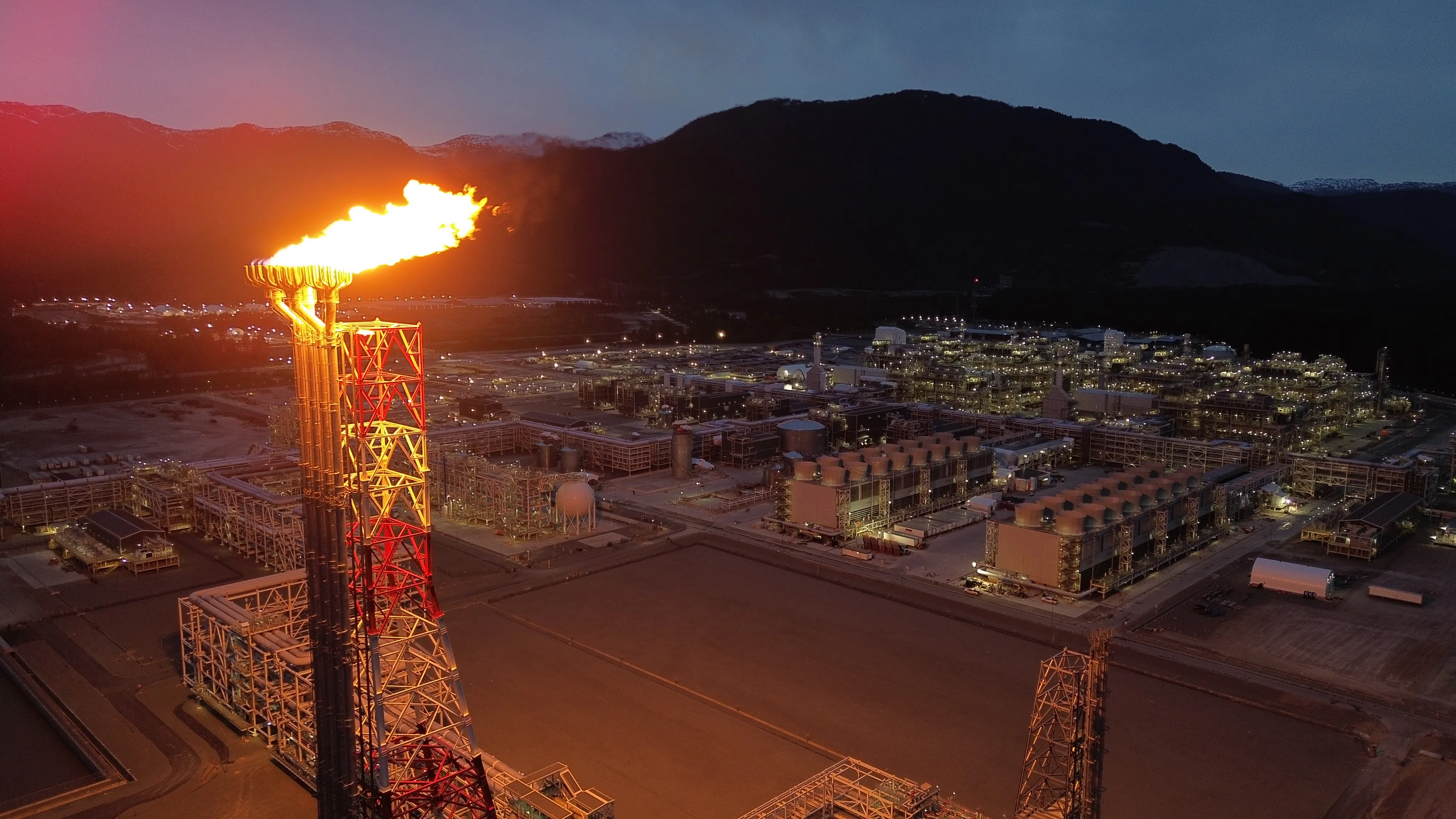
British Columbia’s health professionals are sounding repeated alarms over the province’s LNG industry, citing rising health risks and the lack of a comprehensive assessment. In their latest intervention, the Canadian Association of Nurses for the Environment, the Canadian Association of Physicians for the Environment, and local conservation groups formally asked Japan’s public lender to halt funding for LNG Canada until an independent, cumulative health impact assessment is conducted.
This follows calls from September by over 175 healthcare providers and First Nations members and a November vote by the Health Officers’ Council of BC supporting a province-wide, well-resourced review. Practitioners report increasing cases of asthma, heart disease, and other illnesses linked to air pollution, alongside climate-related impacts such as heat illness, wildfire smoke exposure, flooding, and mental health stress in local communities.
Concerns also include Indigenous rights, particularly the absence of Free, Prior, and Informed Consent from affected communities. Health professionals emphasize that rapid LNG expansion, combined with pipelines and export facilities, is outpacing safeguards designed to protect Canadians’ health. They argue that public finance should not further expose communities to risks without thorough evaluation.
With multiple LNG projects advancing toward federal approval, experts stress that understanding the cumulative impacts on human health is essential before committing to more development. They call for urgent action to protect communities, rights, and public health in northern British Columbia.






Comments