

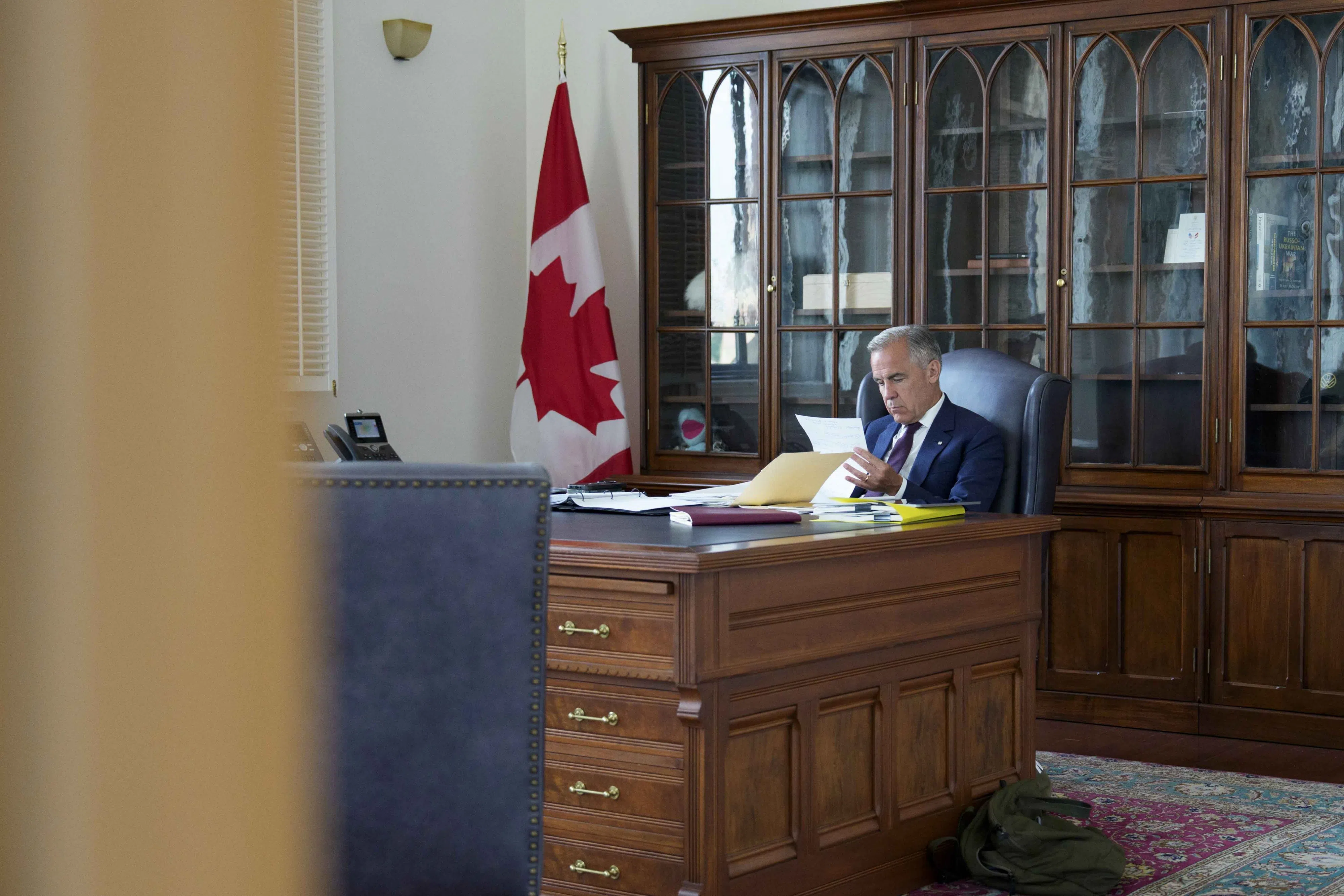
A new federal–Alberta memorandum of understanding aimed at expanding energy development and reducing emissions is raising questions in British Columbia about potential impacts on the coast, particularly around tanker traffic and new export routes.
The agreement, signed in Calgary, includes a commitment for the federal government to review a forthcoming Alberta proposal for a privately funded pipeline capable of transporting at least one million barrels of low-emissions oil per day to Asian markets. While no route has been announced, any pipeline delivering crude to the Pacific would require a marine terminal and increased tanker activity along B.C.’s coastline.
Environmental groups, coastal communities, and several First Nations have historically raised concerns about transporting oil through narrow, rugged waterways where storms, strong currents, and limited navigation space increase risks. The federal government says it will only consider projects developed in partnership with Indigenous rights holders and in consultation with British Columbia.
Beyond the pipeline, the agreement prioritizes large-scale clean-energy initiatives, including the Pathways Plus carbon-capture project, reductions in methane emissions, and new transmission links with B.C. and Saskatchewan aimed at improving access to low-carbon electricity.
However, the possibility of renewed oil-export infrastructure has placed the spotlight squarely on B.C.’s coast, where debates around spill risks, economic impacts, and marine safety have shaped energy policy for more than a decade. More clarity on potential B.C. implications is expected once Alberta formally submits its pipeline proposal under the Building Canada Act.






Comments